
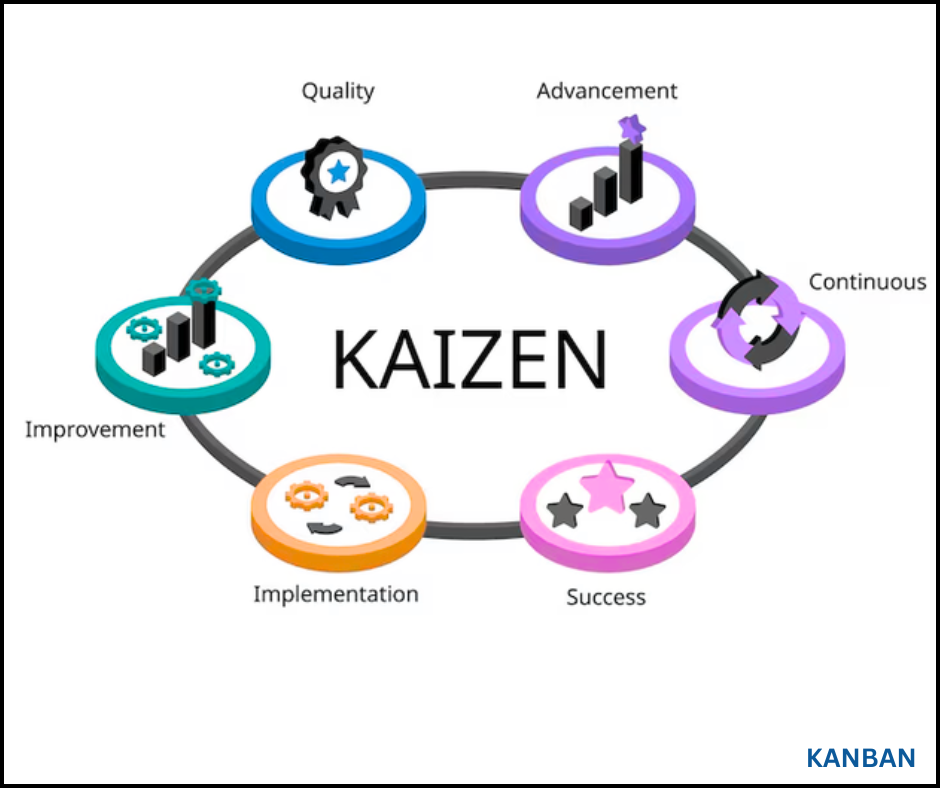
Gaining proficiency in Continuous improvement methodologies (Kaizen) drives operational excellence. Learn practical strategies for sustainable growth.
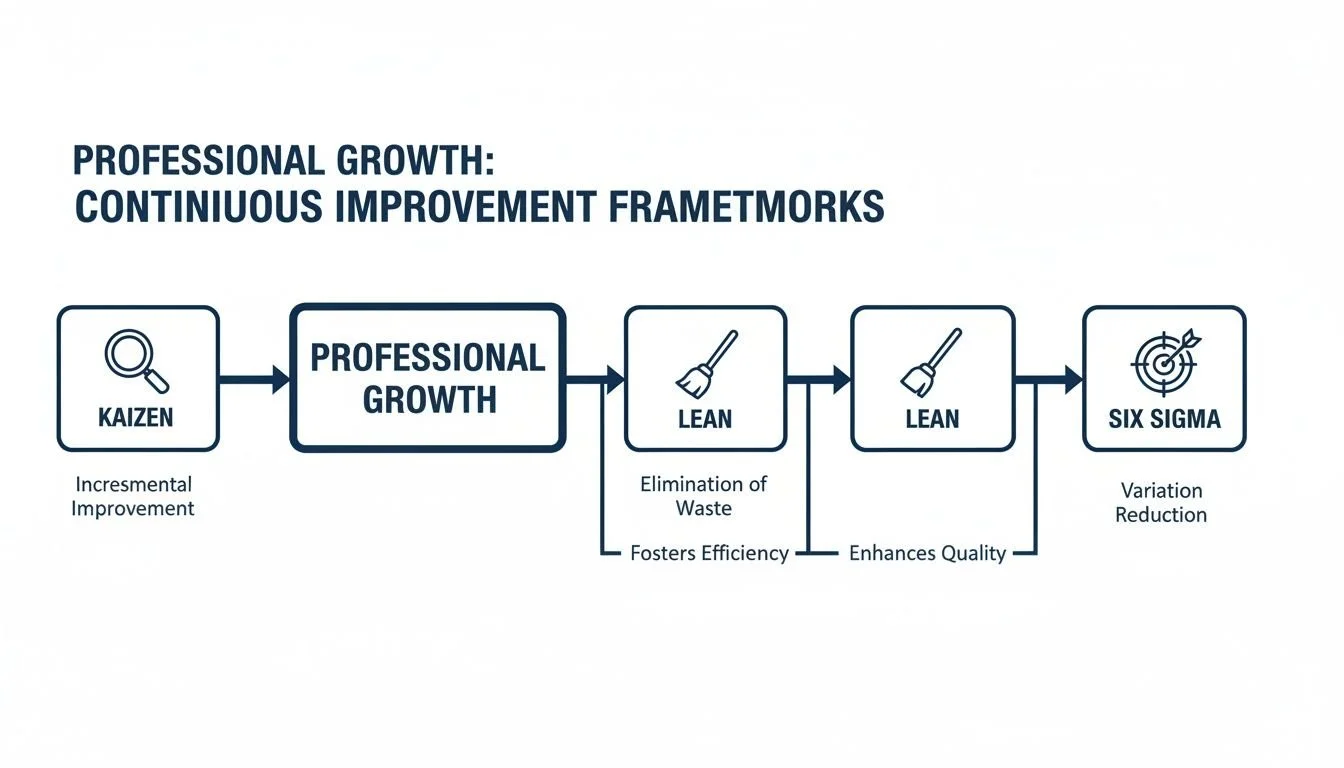
My journey in operational leadership across various industries, including manufacturing and service sectors in the US, has consistently reinforced one core principle: sustained success isn’t built on grand, infrequent overhauls, but on a relentless pursuit of small, everyday improvements. This philosophy is the heart of Continuous improvement methodologies (Kaizen). It’s not just a buzzword; it’s a practical, actionable approach that yields tangible results when implemented correctly and with genuine commitment from the entire organization.
Overview
- Continuous improvement methodologies (Kaizen) emphasize small, incremental changes over time, leading to significant long-term gains.
- Successful implementation requires strong leadership buy-in and active participation from all team members.
- Key principles include eliminating waste (Muda), standardizing processes, and fostering a culture of problem-solving.
- Real-world application often starts with Gemba walks, directly observing work processes where value is created.
- Training and empowering employees at all levels are crucial for identifying and executing improvements effectively.
- The impact of Kaizen extends beyond efficiency, improving morale, safety, and product quality.
The Essence of Kaizen in Modern Operations
Kaizen, a Japanese term meaning “change for the better,” is more than a set of tools; it’s a mindset. It posits that every process, no matter how optimized it seems, has room for improvement. From a practical standpoint, this means constantly questioning the status quo and seeking out inefficiencies. I’ve seen firsthand how frontline teams, empowered to voice concerns and suggest solutions, become the greatest drivers of change. Their proximity to the work makes their insights invaluable.
The methodology doesn’t demand radical innovations. Instead, it encourages a steady stream of minor adjustments. These might include rearranging a workstation for better flow, refining a communication protocol, or simplifying a data entry process. Individually, these changes seem small. Collectively, they compound, creating significant improvements in productivity, quality, and employee satisfaction over months and years. It’s about building a culture where everyone feels responsible for the health and efficiency of the organization.
Implementing Continuous improvement methodologies (Kaizen) in Practice
Putting Continuous improvement methodologies (Kaizen) into action starts with clear leadership communication and a commitment to employee training. A common starting point is a Kaizen event, or “blitz,” where a cross-functional team dedicates a short, intensive period (typically 3-5 days) to solve a specific problem. This isn’t just about fixing an issue; it’s about teaching the team the structured problem-solving approach. Tools like the 5 Whys, root cause analysis, and the PDCA (Plan-Do-Check-Act) cycle become standard practice.
From my experience, Gemba walks are fundamental. This involves going to the “actual place” where work is performed to observe, understand, and engage with the process and the people doing the work. This direct observation reveals waste (Muda), overburden (Muri), and inconsistency (Mura) that are often invisible from an office. After identifying issues, small, testable solutions are implemented. The emphasis is on quick iteration, learning from results, and then standardizing the improvements. This pragmatic, hands-on approach builds momentum and trust.
Challenges and Success Factors for Continuous improvement methodologies (Kaizen)
While the principles of Continuous improvement methodologies (Kaizen) are straightforward, successful implementation faces hurdles. Resistance to change is common. People are comfortable with existing routines, even if suboptimal. A lack of management support can also quickly derail efforts. If leaders preach Kaizen but don’t dedicate resources, time, or actively participate, the initiative will likely falter. Employee engagement needs to be genuine, not just forced compliance.
The most successful implementations I’ve witnessed share common factors: clear organizational goals tied to improvement, visible management commitment, and dedicated time for employees to participate. Training is not a one-off event; it’s ongoing. Recognizing and celebrating small wins is also critical. When individuals see their contributions valued and impactful, their motivation to seek further improvements grows exponentially. Sustained success means embedding Kaizen thinking into the organizational DNA.
Sustaining Momentum with a Kaizen Culture
Building a true Kaizen culture requires more than just launching a few initiatives. It demands a fundamental shift in how an organization approaches work and problem-solving. This means creating an environment where speaking up about problems is encouraged, not penalized. It involves providing the necessary training and tools for employees to analyze issues and propose solutions effectively. Regularly scheduled review meetings, where teams share their improvement projects and results, maintain visibility and accountability.
A vital aspect is the standardization of best practices. Once an improvement is proven effective, it must become the new standard. This prevents backsliding and ensures that gains are locked in. I’ve seen organizations struggle when improvements aren’t documented or enforced, leading to a reversion to old habits. Furthermore, linking improvement efforts to strategic business objectives helps maintain focus and demonstrates the direct value of each small change. This integrated approach ensures Kaizen becomes an enduring strength.
