
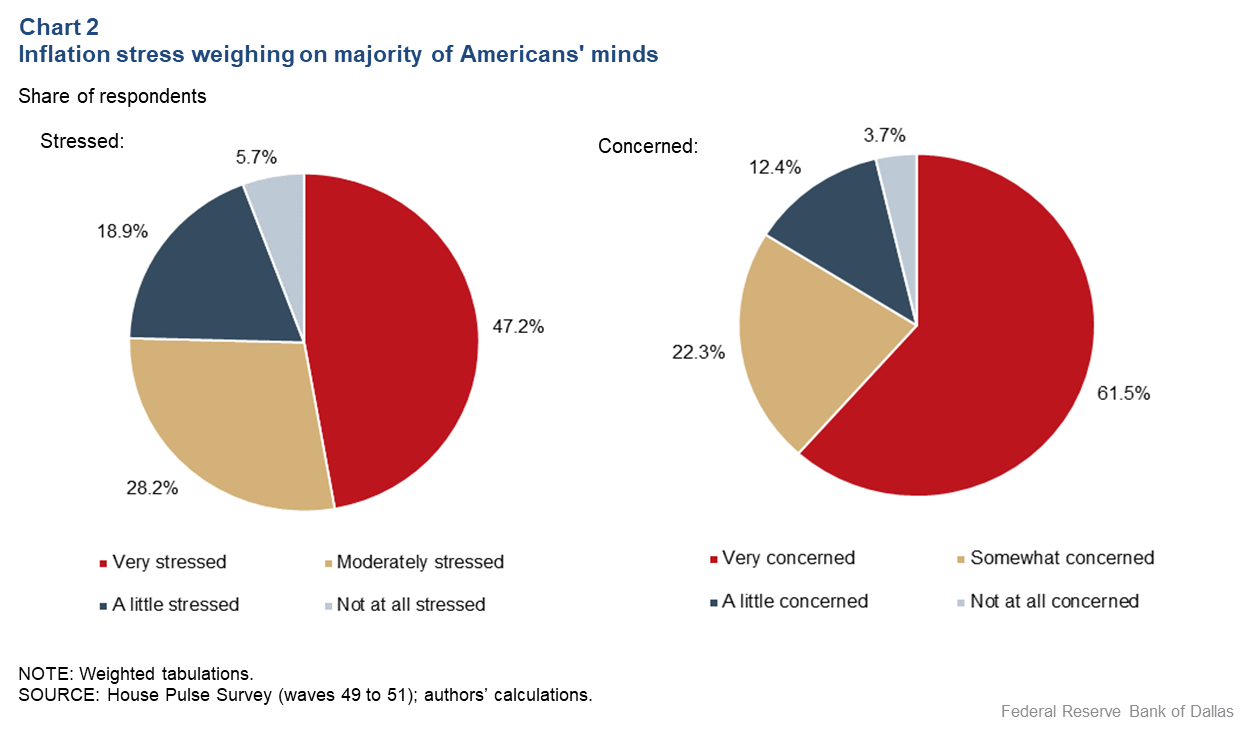
Inflation, the silent thief of purchasing power, is impacting budgets and aspirations around the globe. It subtly erodes the value of money, making everything from groceries to gas more expensive. This reality forces individuals and families to rethink their financial strategies and adjust their expectations for the future. Understanding how inflation works and its inflation impact on everyday financial goals is the first step toward mitigating its effects.
Key Takeaways:
- Inflation reduces your purchasing power, meaning you need more money to buy the same goods and services.
- Long-term goals like retirement and homeownership become more challenging to achieve in an inflationary environment.
- Adjusting your investment strategy and budget are crucial to protecting your finances from inflation.
- Understanding inflation-adjusted returns is vital for accurate financial planning.
How Inflation Impact Your Retirement Savings
Retirement is often the biggest financial goal for many, requiring decades of saving and investment. Inflation presents a significant challenge to retirement planning because it diminishes the real value of your savings over time. Consider this: if you plan to live for 25 years after retirement, and inflation averages 3% annually, the cost of living will nearly double over that period. This means you’ll need significantly more money than initially projected to maintain your desired lifestyle.
To combat the inflation impact on retirement savings, it’s crucial to factor inflation into your calculations. Use online retirement calculators that allow you to adjust for inflation. Furthermore, consider investing in assets that historically outpace inflation, such as stocks and real estate. While these investments carry more risk, they offer the potential for higher returns needed to preserve your purchasing power. Think of it this way, a financial advisor in gb could guide you on how to allocate assets to beat inflation over time, even as the cost of goods and services increases.
How Inflation Impact Your Home Buying Dreams
For many, owning a home represents the quintessential American dream. However, inflation can make this dream feel increasingly out of reach. Rising prices affect various aspects of homeownership, from the initial purchase to ongoing expenses. Higher construction costs, driven by increased prices for raw materials like lumber and steel, can inflate the price of new homes. Existing homes also become more expensive as demand outstrips supply and sellers factor inflation into their asking prices.
The inflation impact extends beyond the initial purchase price. Interest rates, often raised by central banks to combat inflation, can significantly increase mortgage payments. Higher property taxes, insurance premiums, and maintenance costs further strain homeowners’ budgets. Aspiring homebuyers must carefully assess their affordability in the face of rising prices and interest rates. Consider saving a larger down payment, exploring alternative mortgage options, and being prepared to adjust your expectations regarding location and size to navigate the inflationary housing market.
How Inflation Impact Your Short-Term Savings Goals
While long-term goals like retirement and homeownership get significant attention, inflation also affects shorter-term savings goals, such as saving for a vacation, a new car, or a child’s education. The increased cost of goods and services means you need to save more money to achieve these goals. A vacation that cost $3,000 last year might cost $3,300 this year with a 10% inflation rate.
To mitigate the inflation impact on short-term savings, prioritize saving aggressively and look for ways to earn extra income. Consider high-yield savings accounts or certificates of deposit (CDs) that offer competitive interest rates. While these options may not completely outpace inflation, they can help offset the erosion of your purchasing power. Budgeting and tracking your expenses can also help identify areas where you can cut back and save more.
How Inflation Impact Your Investment Strategies
Inflation necessitates a proactive approach to investment management. Simply saving money in a low-interest savings account is no longer sufficient to maintain your wealth. Investors need to diversify their portfolios and consider assets that offer inflation protection.
One such asset class is Treasury Inflation-Protected Securities (TIPS), which are specifically designed to protect investors from inflation. TIPS adjust their principal value based on changes in the Consumer Price Index (CPI), ensuring that your investment keeps pace with inflation. Real estate, as mentioned earlier, can also serve as an inflation hedge, as property values and rental income tend to rise with inflation. Investing in commodities, such as gold and silver, is another strategy that some investors use to protect against the inflation impact, as these assets often hold their value during inflationary periods. It’s important to remember that every investment carries risks. The key is to understand how to balance risk tolerance with the need to secure long-term financial well-being.


