Achieve operational excellence with a practical Lean manufacturing implementation roadmap. Real-world steps for sustained efficiency and growth.

Implementing Lean manufacturing requires more than just reading a book; it demands a structured, step-by-step approach rooted in practical experience. Many companies, especially in the US, attempt Lean without a clear plan, leading to frustration and stalled initiatives. This article lays out a reliable Lean manufacturing implementation roadmap, reflecting years of working alongside production teams and understanding common pitfalls. It focuses on tangible actions and a cultural shift, not just tool deployment.
Overview:
- A successful Lean manufacturing implementation roadmap starts with leadership commitment and a clear vision.
- Initial steps involve thorough current-state analysis and value stream mapping to identify waste.
- The implementation proceeds through focused improvement projects, like 5S and quick changeovers.
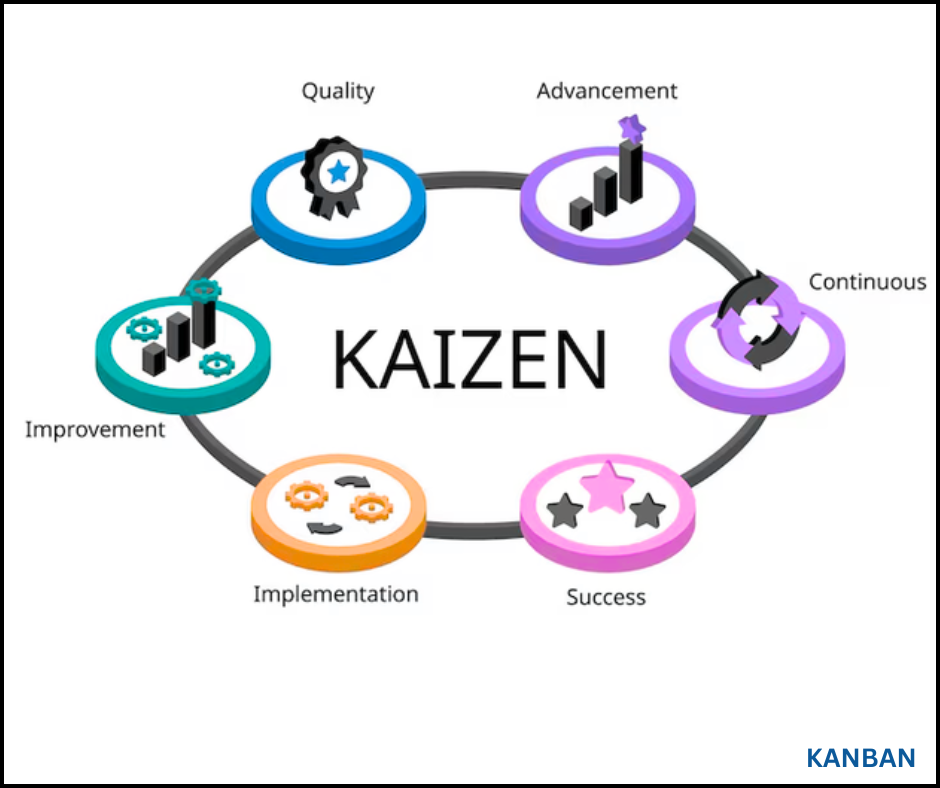
- Sustaining Lean relies heavily on embedding a continuous improvement culture and empowering employees.
- Regular measurement and review of key performance indicators are crucial for tracking progress.
- Avoiding common pitfalls like inadequate training or lack of follow-through is essential for long-term success.
- The journey is iterative; lessons learned continuously refine the Lean approach within the organization.
Establishing the Foundation: A Lean manufacturing implementation roadmap
Any effective Lean manufacturing implementation roadmap begins with a solid foundation. This is not just about tools; it’s about mindset and leadership. First, secure active and visible leadership support. Without it, any Lean effort will falter. Leaders must champion the change, communicate the ‘why,’ and allocate necessary resources. Their commitment signals seriousness to the entire workforce.
Next, invest in awareness and basic training across all levels. Everyone, from the shop floor to senior management, needs to understand fundamental Lean principles: identifying value, waste elimination (Muda), flow, pull, and pursuit of perfection. This common understanding creates a shared language and purpose. We often start with an introductory workshop for all employees, followed by more specific training for core teams.
The initial phase also includes defining a clear scope and objectives. What specific problems are we trying to solve? Which value streams offer the greatest opportunity for improvement? A pilot area or process often provides a manageable starting point. This focused approach allows for early wins, building momentum and internal advocates for the broader Lean manufacturing implementation roadmap.
Executing the Core Phases of Your Lean manufacturing implementation roadmap
With the foundation set, the practical execution of your Lean manufacturing implementation roadmap takes shape. The initial core phase centers on understanding your current state and designing a future state. Value Stream Mapping (VSM) is an indispensable tool here. It visually depicts the flow of materials and information, highlighting waste and bottlenecks. Conduct these mapping exercises with cross-functional teams, involving those who do the work. This ensures accurate data and buy-in.
Following VSM, prioritized improvement activities commence. Often, 5S (Sort, Set in Order, Shine, Standardize, Sustain) is a great starting point for workplace organization. It creates a cleaner, safer, and more efficient environment. Concurrently, focus on reducing setup times (SMED – Single-Minute Exchange of Dies) to enable smaller batch sizes and improved flow. Implement standardized work to ensure consistency and repeatability in processes.
These initiatives are not isolated. Each step should build towards the future state vision identified during VSM. Regular check-ins and short, daily stand-up meetings help monitor progress, address immediate issues, and reinforce the Lean mindset. This iterative process of plan, do, check, act (PDCA) is central to executing any successful Lean manufacturing implementation roadmap.
Sustaining Operational Gains and Culture
Achieving initial improvements is commendable, but the real challenge lies in sustaining these gains and fostering a Lean culture. This demands a shift from project-based thinking to continuous improvement as a way of life. Embed Lean principles into daily operations. Make gemba walks a routine for leaders and supervisors, observing processes where the work happens and asking probing questions. This shows respect for people and helps identify further opportunities.
Develop a robust training and coaching program. Employees need ongoing support to apply Lean tools and problem-solving techniques independently. Cross-training is vital for flexibility and resilience within teams. Empower frontline employees to identify and resolve issues, rather than waiting for management directives. Their insights are invaluable for practical, lasting solutions.
Metrics and visual management play a crucial role. Display performance data clearly in work areas. This transparency allows teams to track their progress and react quickly to deviations. Celebrate successes, both big and small, to recognize effort and reinforce positive behaviors. A culture where problems are seen as opportunities for improvement, not blame, is the bedrock of sustained Lean.
Measuring Success: Key Metrics in Your Lean manufacturing implementation roadmap
Effective measurement is critical for validating the impact of your Lean manufacturing implementation roadmap. Without clear metrics, it is impossible to determine if efforts are yielding desired results. Start by establishing a baseline before any changes are made. This provides a reference point for comparison. Identify key performance indicators (KPIs) that directly reflect Lean objectives.
Typical Lean metrics include:
- Lead Time Reduction: The total time from customer order to delivery.
- Inventory Turns: How quickly inventory is sold or used.
- Defect Rate (Quality): Reduction in errors, rework, or scrap.
- Overall Equipment Effectiveness (OEE): A composite measure of availability, performance, and quality.
- Productivity (Output per person or machine): Efficiency of resource utilization.
- Employee Engagement: Often measured through surveys, reflecting cultural health.
Regularly collect and analyze these metrics. Use visual dashboards and production boards to make data accessible to everyone. This transparency empowers teams to understand their contribution and identify areas needing further attention. The data should drive subsequent improvement cycles, reinforcing the continuous nature of the Lean manufacturing implementation roadmap. It’s about data-driven decisions, not just anecdotal evidence.